Government Sanitation Jobs: Opportunities & Career Paths
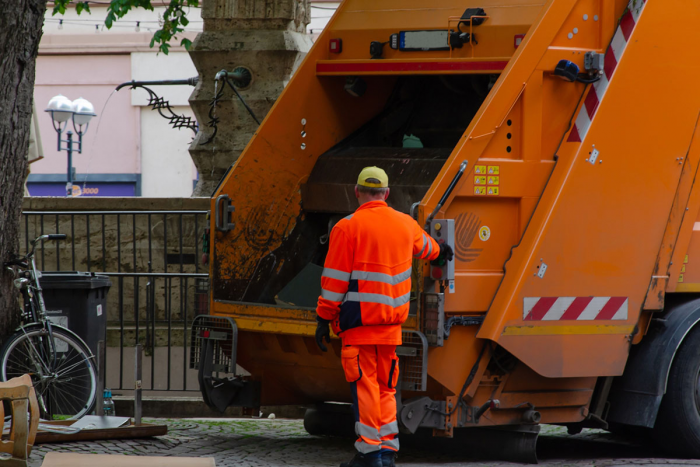
Government sanitation jobs are vital for maintaining public health and ensuring cities and towns stay clean, safe, and functional. These roles contribute to the community’s well-being by managing waste, recycling, and promoting environmental sustainability. Whether you are interested in exploring new employment opportunities or advancing your career, government sanitation provides various job types, career paths, and growth opportunities.
What Are Government Sanitation Jobs?
Government sanitation jobs primarily focus on collecting, disposing, and managing waste, recyclables, and other refuse in city or municipal settings. These roles ensure the community remains free from hazardous waste materials and other environmental risks.
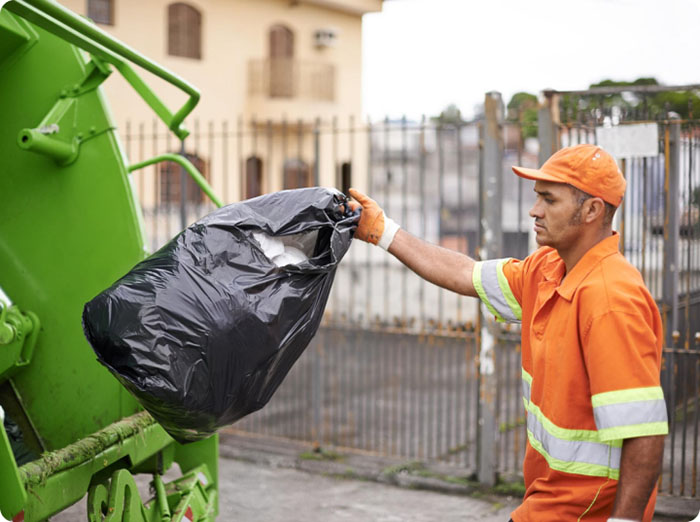
Sanitation workers often use heavy machinery, such as collection vehicles and trucks, to transport trash, recyclables, and debris. They also handle community requests for special disposal services, such as bulk trash pickups or hazardous waste collection.
While these roles demand physical endurance and attention to detail, they provide a rewarding work experience for those who take pride in keeping their communities clean. Government sanitation employees often receive assistance from team members to manage daily tasks effectively. Furthermore, those in these roles support and manage teams to ensure smooth operations across waste collection services.
For individuals interested in searching for stable, impactful careers, government sanitation jobs offer a fulfilling path where they can directly contribute to public health and environmental safety.
Career Paths in Government Sanitation
One of the most appealing aspects of government sanitation jobs is the ability to grow within the field. Starting in entry-level positions, employees can work up to supervisory and specialized roles. Typical entry-level roles include laborers, equipment operators, or maintenance workers, which require hands-on experience and formal training.
As employees gain experience, they may move into roles such as:
- Waste Management Coordinator: This role involves organizing and overseeing waste collection and recycling programs.
- Environmental Specialist: A position focused on implementing sustainable practices and ensuring compliance with environmental regulations.
- Equipment Operator: Operate specialized machinery for waste disposal and recycling, such as collection vehicles and trucks.
- Supervisory and Management Roles: These positions require leadership skills to manage teams, ensure regulatory compliance, and maintain the efficiency of sanitation operations.
With the right experience, employees may even have the opportunity to transition into adjacent fields, such as public health, environmental conservation, or even business ownership related to waste management services. Some workers may pursue specialized licenses or certifications to enhance their expertise in handling specific types of waste or machinery.
Working in City Government Sanitation
City government sanitation jobs are typically fast-paced and dynamic, requiring workers to respond to service requests, navigate tight schedules, and maintain high performance. These roles range from refuse collection to recycling coordination, often requiring a keen understanding of the city’s waste management infrastructure.
Employees must have a strong work ethic, physical ability, and familiarity with local ordinances and policies governing sanitation services. Additionally, many sanitation workers rely on modern technology to track and optimize their daily operations.
For example, collection vehicles are often equipped with GPS systems to ensure that routes are followed efficiently and that disposal sites are visited at the appropriate times. This ensures that city regulations manage waste.
Customer service is another critical aspect of city sanitation roles, as employees must interact with residents, answer questions, and address concerns related to waste disposal and recycling. Responding to public concerns about trash collection and ensuring timely and courteous service is essential to the success of any sanitation department.
Working in city government sanitation offers a sense of pride and a feeling of accomplishment, as employees play a direct role in improving the quality of life for their fellow citizens. By contributing to a cleaner and healthier urban environment, sanitation workers help create more livable communities.

Advancing Your Career in Government Sanitation
Those looking to advance in their government sanitation careers should take a proactive approach to professional development. While experience on the job is necessary, employees should also consider pursuing additional training, certifications, or leadership opportunities.
Some strategies for career advancement include:

- Certifications: Obtaining certifications in specialized areas such as hazardous waste management or environmental conservation can set employees apart from their peers and open doors to higher-paying positions.
- Networking: Building relationships with colleagues, supervisors, and professionals in the field can help employees stay informed about job openings and best practices. Networking also provides opportunities to learn from more experienced professionals.
- Taking Initiative: Seeking out new challenges, offering to mentor less experienced colleagues, or taking on leadership roles within the department can all demonstrate a commitment to career growth.
- Staying Updated on Technology: As waste management systems become increasingly reliant on technology, such as automated disposal systems and collection vehicle tracking, employees who are well-versed in these tools will be better positioned for advancement.
Government sanitation careers often require continuous learning and adaptation as industry standards and regulations evolve. Whether mastering new machinery or keeping up with the latest environmental legislation, employees must remain committed to their professional growth.
Job Types and Specializations
Government sanitation jobs cover a variety of specializations, from waste collection and recycling to environmental conservation. Some common job types include:
- Sanitation Worker: The hands-on labor role responsible for cleaning, collecting, and disposing waste.
- Waste Management Coordinator: Oversees city-wide waste management programs, ensures compliance with regulations, and improves efficiency in collection routes.
- Environmental Specialist: Focuses on sustainability initiatives, including promoting recycling and reducing the environmental impact of waste.
- Equipment Operator: Operates specialized machinery used in waste management processes, such as trucks and compactors.
Many government sanitation jobs require specific skills, such as operating equipment or maintaining licenses for handling hazardous materials. Others may focus on managerial tasks, such as ensuring team performance and responding to public inquiries. Specialized roles, like environmental specialists, are crucial in protecting the environment by promoting recycling programs and reducing the city’s overall waste footprint.
Conclusion: A Career with Purpose
Government sanitation jobs offer fulfilling career paths that allow employees to make a tangible impact on their communities. Whether starting as an entry-level laborer or pursuing a management position, numerous opportunities exist to grow and succeed in this field. By staying proactive, continuously learning, and utilizing your skills, you can build a rewarding career in government sanitation, all while contributing to a cleaner and healthier environment for everyone.
This career path offers stability and the satisfaction of knowing that your work directly benefits the public and helps to ensure a better future for your city and beyond.