Transforming Culture in a 24/7 Operations Environment
Our new podcast, Mastering Workplace Culture, helps leaders create workplace cultures where people feel respected, validated, and inspired to contribute at their highest level.
Hosts Mark S. Babbitt and I interview experienced leaders and executives who share unfiltered stories of breakdowns, breakthroughs, and their bold decisions that reset their workplace. Even more important, they’ve sustained their culture of respect and results for years.
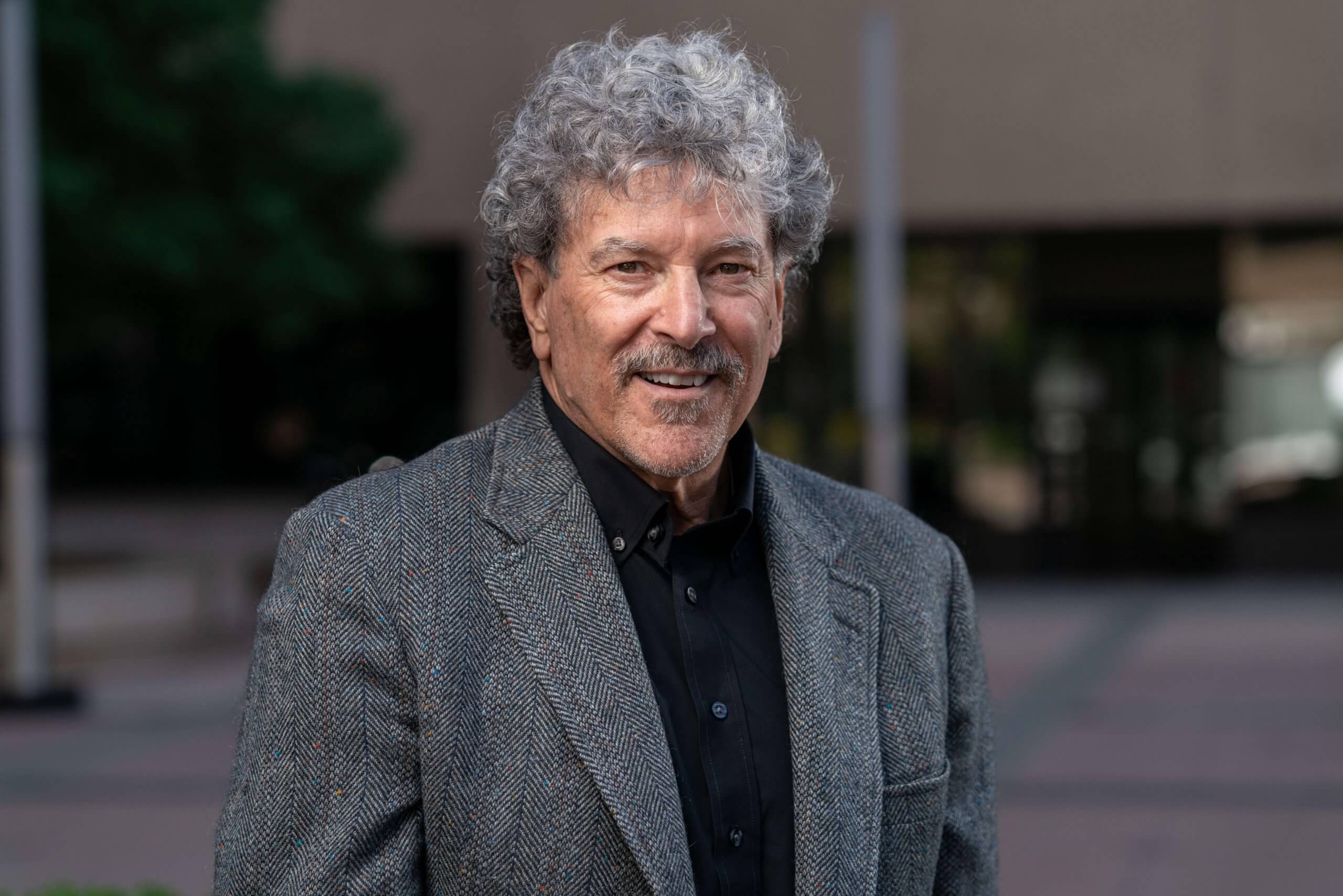
Tim Steinbeck, CEO of GRE HERC Services, joined the podcast for a raw, grounded conversation about what culture change really looks like when moving a hard-edged blue‑collar work environment from siloed habits to a culture built on “STEAM” values: Safety, Trust, Accountability, Ethics, and Mutual Respect.
From shift‑to‑shift friction and accountability battles to longtime employees leaving because “you can’t pay me enough to be nice to these people,” this talk pulls back the curtain on what real culture transformation feels like inside a 24/7 operational environment.
As is often the case, supervisors come up through the ranks, so they’re immersed in the rough work environment. Once these new leaders are promoted, they find they are supervising old friends who may not follow their direction. That scenario plays out in organizations across the globe – and those supervisors need refined skills to be able to inspire “old friend” team members.
In a plant environment, the machines must keep running. It is tempting for supervisors to let the talented crew members manage their tasks. Some of those crew members have been in this plant for 20 years; they know their jobs. The challenge is that once an organization – their plant, in this case – decides to formalize their work culture, old habits may not align to new expectations.
For the STEAM values and behaviors to become the new normal in this plant, formal leaders have had to embrace their responsibility to model those behaviors, coach those behaviors, measure those behaviors, celebrate those behaviors, and mentor players who choose not to embrace these new standards.


One of the biggest myths in organizational life is that HR can “fix” your bent or broken work culture.
One of the biggest myths in organizational life is that HR can “fix” your bent or broken work culture. Tim’s experience with culture refinement at his plant made the opposite crystal clear: If every formal leader – from CEO to crew leads – doesn’t model the valued behaviors, nothing else will stick.
Not the posters.
Not the t-shirts.
Not the slogans.
Not the coaching.
Nothing.
What’s fascinating is what happens after leadership digs in to their responsibility as chief role models. A year or so into the change process, the dynamic shifts — frontline employees start holding themselves, their peers, and even their supervisors accountable. The accountability moves bottom‑up and top‑down.
Operators begin pointing out when a lack of communication costs hours of work or threatens team member safety. Teams start challenging each other on behaviors that erode trust. People quit tip‑toeing around tough conversations and start speaking honestly about what’s really happening.
This is workplace culture refinement in the real world — not glossy, not theoretical, but lived in the middle of shift changes, machine issues, and competing perspectives.
If you’ve ever wondered how accountability actually spreads through a workforce, this conversation gives you the honest version.
Watch Tim Steinbeck’s full episode: From Silos to STEAM: Transforming Culture in a 24/7 Operations Environment
Find episodes of Mastering Workplace Culture on our YouTube channel at The Purposeful Culture Group, at MasteringWorkplaceCulture.com, and on every major podcast platform.
Want new articles before they get published? Subscribe to our Awesome Newsletter.