How to Transform a Toxic Workplace
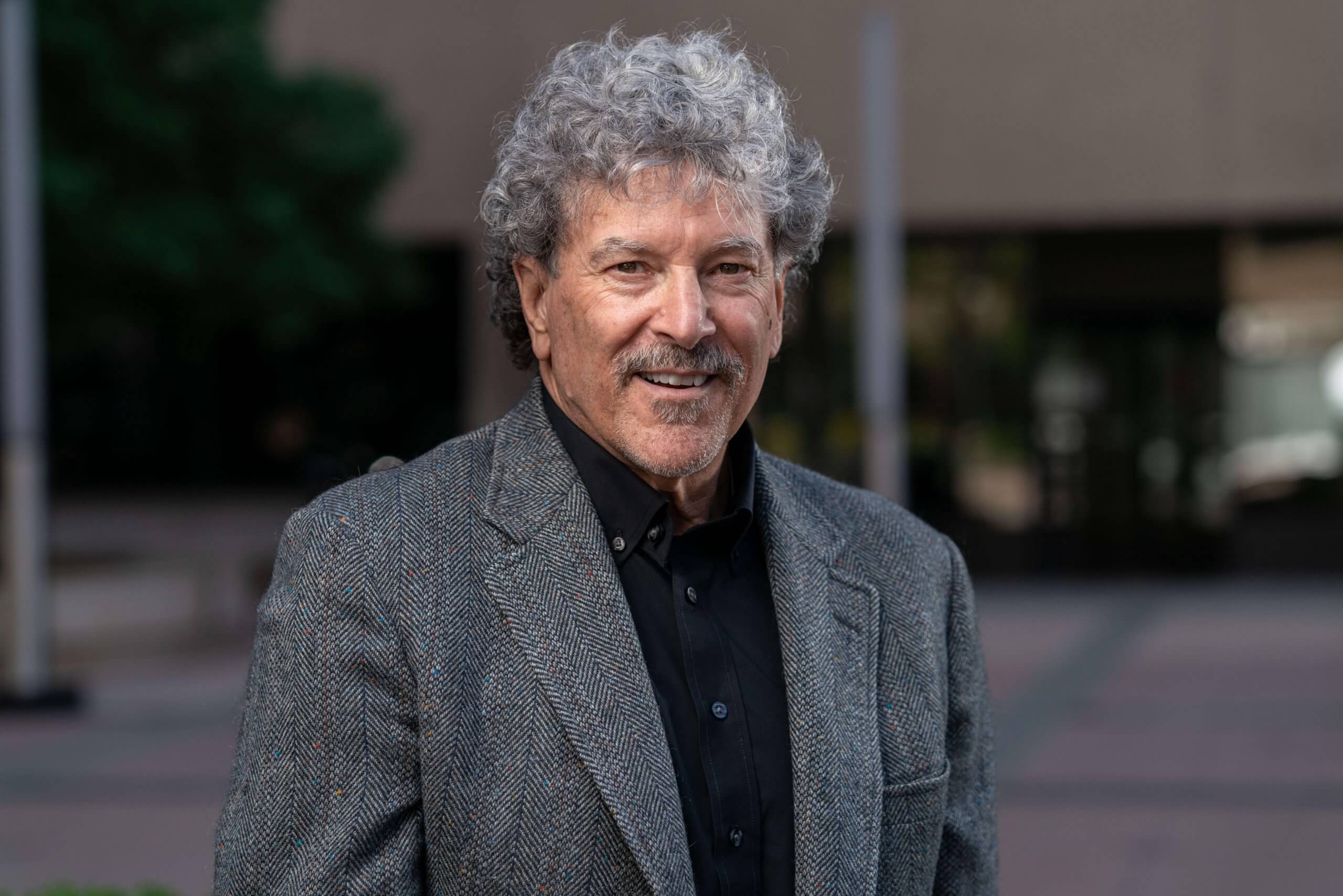
Our new podcast, Mastering Workplace Culture, examines the hard truths of workplace culture change. Proven culture leaders share unfiltered stories of breakdowns, breakthroughs, and their bold decisions. And, they discuss the steps they took to drive sustainable, tangible change where respect and results are equally modeled, monitored, and validated.
Co-host Mark S. Babbitt and I have published sixteen episodes featuring real leaders who have sustained uncompromising work cultures. The show offers practical insight for leaders who cannot afford to let their workplace culture fail—and for those who are just as concerned with a positive leadership legacy as they are with today’s results.
Our second episode features Katelyn Taylor, director of marketing and communications at Boise State University. Katelyn had struggled with an unhealthy culture across her small team. She’d spent two years trying everything she knew to fix the problem, to no avail.
The culture challenges in her team weren’t just “process issues” — they were painful, undeniable, and unavoidable. Toxic behavior was driving away talented people, disrupting production, and deepening frustration across the team.
In this clip from her full episode Why Her Team Said “Thank God… It’s About Time”, Katelyn describes the real turning point in her team: Letting the people who weren’t aligned to the desired culture go work somewhere else—she “set them free.” The rest of her team surprised her with a mix of relief, reflection, and resilience.
Katelyn stood up to embrace the emotional reality of authentic culture leadership. Specifically, she demonstrated the courage required to listen, the humility needed to ask for help, and the clarity that comes from owning the truth.
Her vulnerability helped her hear the team’s honest feedback. One huge benefit: the relief she felt when she realized she didn’t have to solve the culture crisis alone.


Katelyn had struggled with an unhealthy culture across her small team. She’d spent two years trying everything she knew to fix the problem.
Her team couldn’t wait to be part of the solution, to help align plans, decisions, and actions their ideal work culture. The impact was immense. Within weeks:
- Long‑standing cliques and gossip lost their power
- Team members who once fed the negativity began modeling alignedbehavior
- Psychological safety began to rebuild
- Connection grew naturally — even in remote work
- Accountability became a shared value (not a top‑down demand)
- The team rediscovered its shared energy, creativity, and resilience
What began as Katelyn’s biggest fear — “What if more people leave?” — became relief: Her team was better without the behaviors that had been holding everyone back.
Katelyn’s is a culture success story. With the direction required to implement a proven culture refinement process, she engaged her leadership team and team members in defining their ideal workplace culture, then in aligning and refining people, plans, decisions, and actions to that ideal culture.
Mark summed up Katelyn’s reflections from this episode with “ Isn’t it amazing how respect fuels results, that once you define and align to and hold people accountable to those defined behaviors, those values, those deliverables kind of take care of themselves?”
Watch Katelyn’s full episode: She Transformed a Toxic Team Culture — Katelyn Taylor’s Leadership Wake‑Up Call
Find episodes of Mastering Workplace Culture on our YouTube channel at The Purposeful Culture Group, at MasteringWorkplaceCulture.com, and on every major podcast platform.
Want new articles before they get published? Subscribe to our Awesome Newsletter.